
I remember visiting a sugar refinery years back: tons of syrup, huge vats, big energy bills. What struck me was how much water and dissolved solids were “lost” in the process. Evaporator-crystallizers have changed that story—they not only concentrate liquids but also turn dissolved solids into usable crystals. Food factories (sugar, dairy, salt, even confectionery) are increasingly using them, not just to save, but to gain.
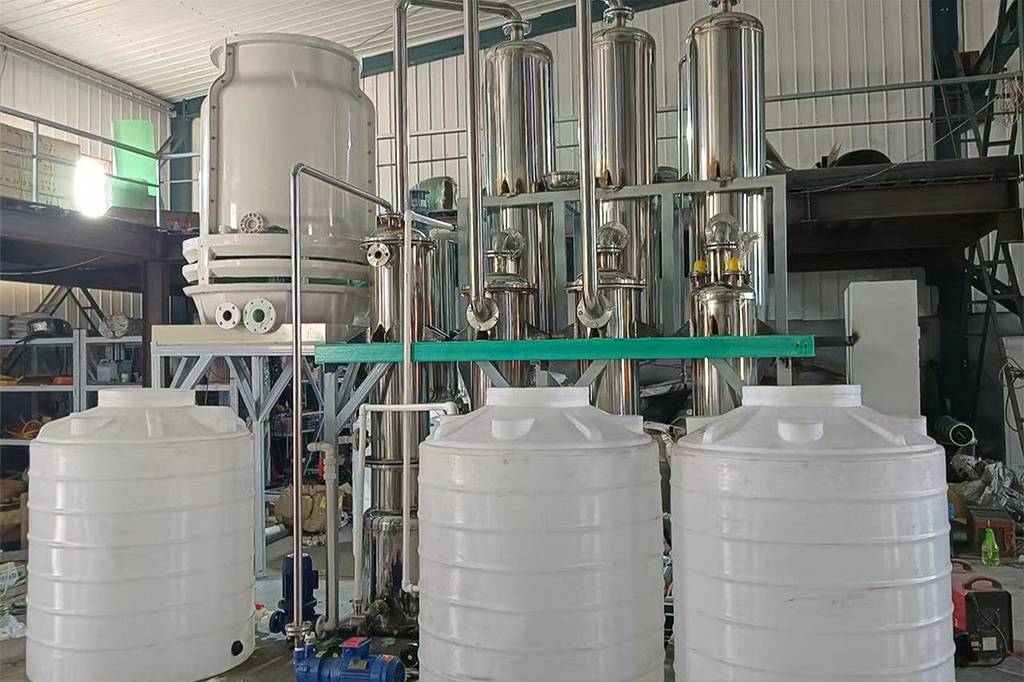
What High-Performance Evaporator-Crystallizers Bring to Food Processing
- Dual-Purpose Efficiency
These systems do two jobs at once: evaporation (to remove water/solvent) and crystallization (to extract solids). For sugar refineries, that means less syrup waste. For dairy, lactose crystallization becomes cleaner. GEA lists evaporation-&-crystallization systems for food / pet food that help with removing water, increasing concentration, and producing high-purity crystals. - Gentle Treatment for Quality
Because crystals can be sensitive (size, purity), high-performance units are designed to avoid overheating, allow controlled cooling or vacuum crystallization, and maintain good shape/size of crystals. Alaqua Inc notes that in food industry, crystallizers refine sugar, table salt, and crystallize lactose with tight control. - Reduced Footprint & Energy Savings
Less liquid means less heating, smaller equipment, less cooling required. When properly designed, evaporator-crystallizer plants recover heat, reuse vapor, combine multi-effect stages—all to cut operational cost. Saltworks’ SaltMaker line is a good example: modular, robust, turning saline or food waste water into clean water plus solid by-product, with minimal liquid discharge. - Value from By-Products
The solids you crystallize can themselves be valuable: sugar, salts, lactose, even ancillary salts or minerals. Instead of paying to dispose, you reclaim. Dedert’s crystallizers handle a range of food ingredient solids—dextrose, lactose, etc.—letting plants improve revenue streams or reduce raw-material cost. - Meeting Cleanliness, Safety, & Regulatory Standards
Food grade means everything: hygienic stainless steel, cleanable surfaces, reliable removal of impurities. High-performance crystallizers often have design elements that minimize fouling, allow CIP (clean-in-place), control contaminants. These help factories maintain flavor, texture, and safety. Sanfeng Tech’s food industry applications mention specific use of crystallizers in juice, milk, fermentation extracts, etc., with falling-film, forced circulation crystallizer combinations.
Real-World Use Cases
- Sugar Refining: Using crystallizer steps after evaporation to get sugar of a specific crystal size & purity.
- Dairy Industry: Lactose crystallization from whey or milk streams to reclaim solids and reduce wastewater load.
- Salt & Seasonings: Producing table salt crystals or food-grade salts with uniform particle shape.
- Juice & Sweetener Plants: Recovering sugar or crystallizable solids from sweeteners or syrups during concentration.
- Food Waste / By-Product Streams: Things like corn steep liquor, fruit peels, or residuals that have solids can be processed to get solids out, reduce volume, lower disposal, recover value.