
In a pulp & paper mill, black liquor carries a lot of water along with recovered chemicals and organics. Evaporating that liquor is essential—but it usually consumes a ton of steam and energy. Lately, more mills are pairing or replacing older evaporation units with MVR evaporators. The result is reduced steam consumption, lower fuel costs and smoother operation.
What Makes MVR a Game Changer
- Recycling latent heat:
MVR works by capturing the vapor (which would normally be wasted), compressing it, and using its heat again to evaporate more water. Result: much less fresh steam needed. Adven’s systems, for example, show large drops in energy consumption when concentrating black liquor with MVR. - Flexibility for expansions or upgrades:
When a mill’s existing evaporator train becomes a bottleneck, instead of adding more steam boilers, installing an MVR pre-evaporator (or secondary unit) can increase capacity with less investment. Recent studies show a payback of ~2-3 years when replacing later effect stages or adding an MVR segment in front of the old evaporator train. - Solid energy & cost savings:
In one case study, adding an extra MVR unit allowed a huge mill to reduce steam consumption by over 260 tonnes per day, with an increase in electricity draw—but overall energy cost dropped significantly. The key is balancing steam vs electricity cost depending on local energy prices.
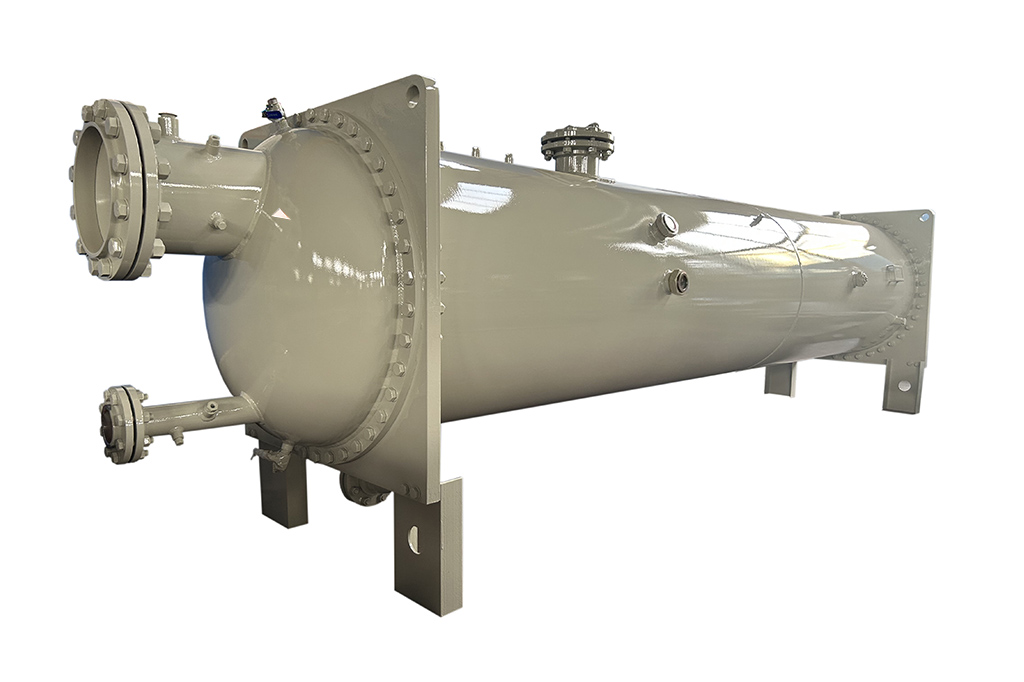
Considerations for Mills When Arranging MVR
- Steam source & cost: if your steam comes from burning black liquor or a biomass boiler, savings are greater than if the steam source uses fossil fuel.
- Electricity cost & availability: MVR will shift some energy burden into electricity (for compressors), so cheap, reliable power helps.
- Solid content & fouling risk: Higher solids mean thicker black liquor, which tends to foul heat exchangers more. Design must account for cleaning, material choice, and suitable flow patterns.
- Capacity sizing: Make sure the MVR unit is sized to match the liquor flow. Undersized units give modest gains; oversized ones can waste capital.
A Snapshot of What the Literature Shows
- A recent techno-economic study for chemical pulp mills integrating MVR found that when the black liquor leaving the MVR has less than ~37.5% solids, the operational cost of the MVR setup is significantly lower than traditional evaporation. Steam consumption drops by nearly 50%.
- Another paper modeled adding a second MVR unit in an already MVR-assisted plant and found that despite increasing electricity usage, the reduction in fresh steam usage gives net energy and cost savings, with payback under 3 years in favorable economies.
So if your paper mill is wrestling with high steam use in black liquor evaporation, arranging an MVR evaporator is a strong move. You get better efficiency, lower fuel demand, and a more robust evaporation train. It’s not without cost—but in many cases, the payback comes quick, and the long-term gains are real.