
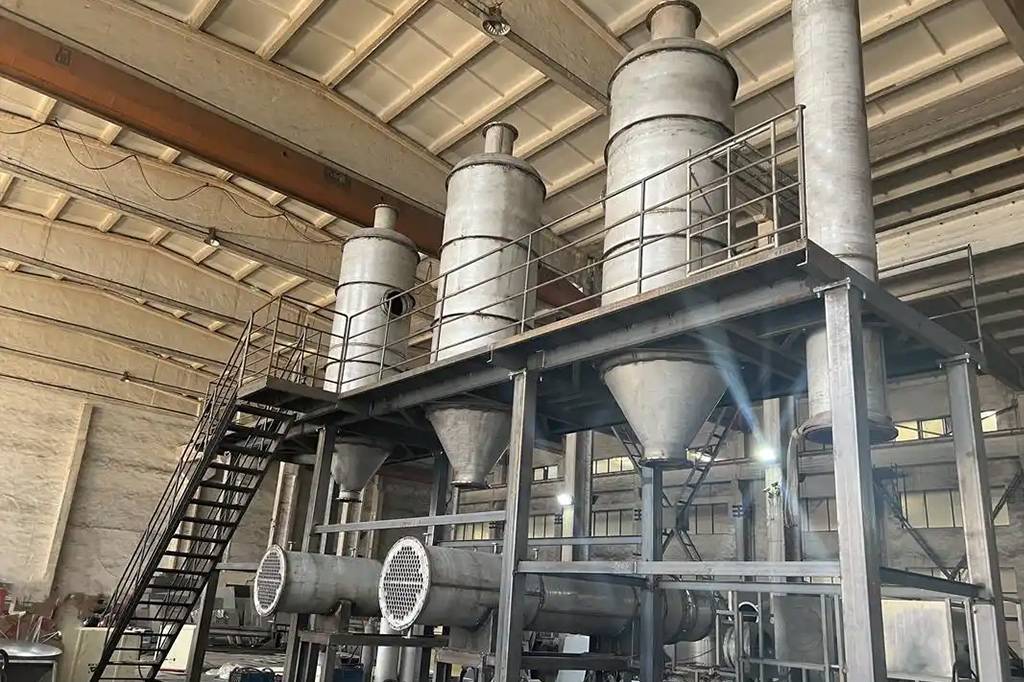
In the pharmaceutical industry, precision and purity are non-negotiable. From temperature-sensitive APIs to bio-based compounds, every process demands strict control—especially during the concentration stage. That’s where the low temperature evaporator proves itself as a true all-rounder.
By operating under reduced temperatures and controlled vacuum conditions, this advanced evaporator technology offers unmatched performance in pharmaceutical concentration. It enhances product quality, reduces degradation risk, and boosts energy efficiency—all while meeting stringent industry standards.
Why Temperature Matters in Pharmaceutical Evaporation
Pharmaceutical compounds—particularly proteins, enzymes, and herbal extracts—are often thermally unstable. Traditional evaporators operating at high temperatures can:
- Cause decomposition of active ingredients
- Alter the chemical structure of APIs
- Lead to color and odor changes in sensitive formulations
The low temperature evaporator addresses these challenges by lowering the boiling point of solvents via vacuum technology. This enables effective concentration at significantly reduced thermal stress levels.
All-Rounder Capabilities of Low Temperature Evaporators
1. Broad Material Compatibility
Low temperature evaporators can handle a wide variety of pharmaceutical substances, including:
- Antibiotic solutions
- Vitamin and amino acid suspensions
- Traditional herbal extracts
- Biologics and fermentation broths
Their internal materials—usually stainless steel 316L or Hastelloy—ensure chemical resistance and GMP compliance.
2. Gentle Processing, Maximum Retention
By operating between 30°C and 60°C under vacuum, these evaporators:
- Preserve active ingredients and bioactivity
- Maintain aroma and taste in oral formulations
- Prevent crystallization and fouling on internal surfaces
3. Scalable Design for All Capacities
Whether you’re running a lab-scale batch or a full-scale production line, modern evaporator systems offer modularity and automation options:
- Bench-top evaporators for R&D
- Skid-mounted solutions for mid-volume production
- Integrated CIP (clean-in-place) for sterile operations
Energy Efficiency and Environmental Advantages
Low temperature evaporators are also champions of sustainability. Their vacuum-assisted operation:
- Reduces energy consumption by up to 30%
- Allows integration with waste heat recovery systems
- Minimizes solvent loss, aiding closed-loop recovery
Additionally, many pharmaceutical facilities use these systems to comply with green manufacturing protocols and reduce their carbon footprint.
Real-World Application: Concentrating Plant-Based Extracts
A pharmaceutical company specializing in botanical drugs faced yield loss due to high-temperature evaporation damaging active alkaloids. By switching to a low temperature evaporator, they achieved:
- 25% increase in extract potency
- 40% reduction in batch cycle time
- Full compliance with GMP and EU Pharmacopoeia standards
This case illustrates how evaporator selection directly impacts quality, efficiency, and regulatory success.
How to Choose the Right Evaporator for Your Plant
Here are key considerations when selecting a low temperature evaporator:
| Criteria | Recommendations |
|---|---|
| Material Construction | Use 316L stainless steel or corrosion-resistant alloys |
| Heating System | Prefer steam or hot water-based systems for gentle control |
| Automation | Ensure PLC control with data logging for GMP traceability |
| Cleaning | Opt for systems with CIP/SIP capability |
| Footprint | Compact, skid-mounted designs suit space-limited cleanrooms |
Conclusion
The low temperature evaporator is more than just a piece of equipment—it’s a pharmaceutical processing partner. With its versatile capabilities, energy-efficient operation, and gentle concentration performance, it supports drug makers in delivering safer, more effective medicines.
As the demand for precision and sustainability in pharma manufacturing grows, this all-rounder evaporator technology will continue to lead the way.