
In today’s eco‑conscious manufacturing landscape, solvent recovery plays a pivotal role in reducing both operational costs and environmental impact. An evaporator designed for optimal compatibility ensures that solvents are reclaimed efficiently, minimizing waste and emissions. This article delves into how evaporator compatibility supports environmental protection in solvent recovery processes, offering practical guidance for engineers, plant managers, and sustainability officers.
The Role of Evaporators in Solvent Recovery
An evaporator is a core component of solvent recovery systems. By heating solvent‑laden mixtures under controlled conditions, it separates volatile solvents from non‑volatile residues. High‑performance evaporators:
- Concentrate waste streams for easier disposal
- Reclaim valuable solvents for reuse
- Reduce environmental discharge of hazardous compounds
Incorporating an appropriately matched evaporator can make the difference between a marginally compliant plant and a best‑in‑class, eco‑friendly facility.
Why Compatibility Matters for Environmental Protection
Material Compatibility
Corrosion, fouling, and chemical attack can all compromise an evaporator’s integrity. Selecting materials—stainless steel, Hastelloy, or specialized alloys—that resist the specific solvent chemistry prevents leaks and unplanned downtime, thereby reducing:
- Solvent losses to the atmosphere
- Unauthorized discharge of hazardous residues
Process Compatibility
Different solvents (e.g., acetone, toluene, NMP) boil at distinct temperatures and may form azeotropes. An evaporator must be designed with:
- Adequate heating zones for precise temperature control
- Vacuum capabilities to lower boiling points when needed
- Enhanced separation internals (e.g., packed columns, centrifugal separators)
This process alignment ensures maximum solvent recovery with minimal energy consumption—and fewer greenhouse‑gas emissions.
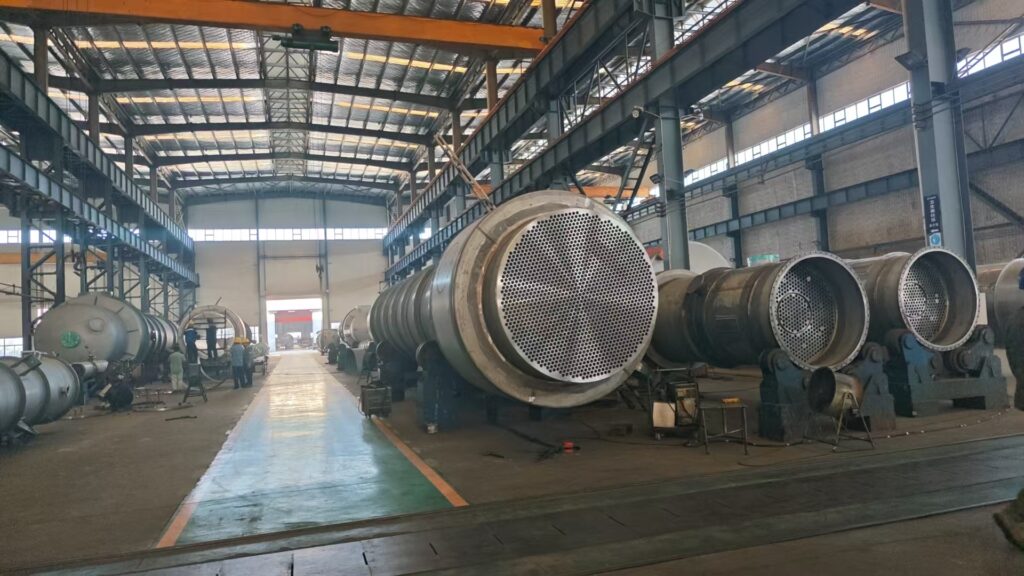
Key Benefits of High Compatibility Evaporators
- Higher Recovery Rates
Compatible evaporators routinely achieve > 95 % solvent reclamation, cutting raw‑material expenses and reducing procurement needs. - Lower Energy Consumption
By tailoring heating profiles and vacuum levels, energy usage can drop by up to 20 %, shrinking the facility’s carbon footprint. - Reduced Waste Generation
Improved separation reduces the volume of concentrated residues, simplifying hazardous‑waste handling and disposal. - Regulatory Compliance
Consistent, leak‑free operation helps facilities meet increasingly stringent air and water‑emission standards.
Best Practices for Selecting the Right Evaporator
- Perform a Solvent Audit: Document solvent types, concentrations, and flow rates.
- Evaluate Material Needs: Choose metallurgy based on corrosion tests and solvent compatibility charts.
- Assess Heat‑Transfer Options: Consider falling‑film, forced‑circulation, or wiped‑film designs to match throughput requirements.
- Incorporate Control Systems: PLC or DCS integration allows real‑time monitoring of temperature, pressure, and vacuum.
- Plan for Maintenance: Opt for designs that permit easy cleaning and replacement of wear parts.
Example Application
A mid‑size pharmaceutical plant struggled with reclaiming a mixed‑solvent blend (acetone/isopropanol). After retrofitting a stainless‑steel falling‑film evaporator featuring a vacuum stage, they:
- Boosted recovery from 88 % to 97 %
- Reduced energy bills by 15 %
- Achieved zero solvent emissions to the local wastewater system
This real‑world success underscores the importance of matching evaporator design to solvent characteristics.
Conclusion
Choosing an evaporator with the right material and process compatibility is not just good engineering—it’s a strategic environmental decision. By maximizing solvent recovery, facilities can lower costs, meet regulatory demands, and play a proactive role in global sustainability efforts.