
In today’s era of industrial sustainability, effective wastewater management is no longer optional—it’s essential. Among various liquid separation and concentration technologies, the single effect evaporator has proven to be a practical, efficient, and economical solution for wastewater treatment across industries.
What Is a Single Effect Evaporator?
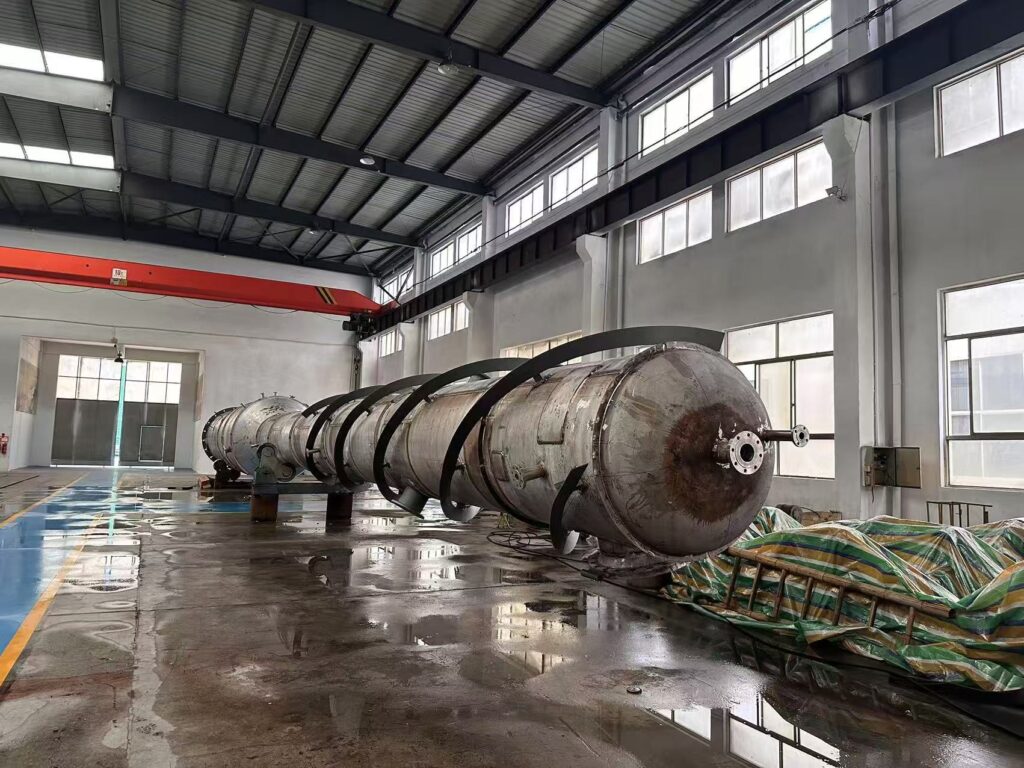
A single effect evaporator is a thermal evaporation system designed to concentrate liquid by removing water (or another solvent) through heating, usually under vacuum. Unlike multi-effect systems, it uses only one stage, making it simpler, more compact, and easier to maintain—ideal for operations with moderate processing needs.
Why Use Single Effect Evaporators in Wastewater Treatment?
1. Efficient Volume Reduction
Industrial processes often generate large volumes of wastewater containing harmful substances. Single effect evaporators can concentrate these liquids, reducing total waste volume by up to 80–90%, thereby lowering the cost of storage, transport, and disposal.
2. Recovery of Valuable Compounds
Many wastewater streams contain recoverable chemicals such as solvents, acids, or salts. The evaporation process allows for selective recovery of these compounds, which can be reused or resold—turning waste into value.
3. Simple Operation and Maintenance
Single-effect systems are favored for their low complexity, which translates to easier control, fewer maintenance issues, and quicker staff training—especially valuable in remote or decentralized treatment stations.
4. Energy Adaptability
While single effect evaporators are less energy-efficient than multi-effect setups, they can be powered using low-pressure steam, waste heat, or solar thermal input, making them a flexible option for locations with limited energy resources.
Key Industries Benefiting from Single Effect Evaporators
- Textiles: For concentrating dye and chemical effluents
- Pharmaceuticals: Handling toxic residues and solvent recovery
- Electroplating: Treating metal-laden rinsing waters
- Food Processing: Concentrating organic waste streams
- Chemical Manufacturing: Managing acidic or alkaline wastewaters
These industries benefit from the cost control, regulatory compliance, and operational simplicity that single effect evaporators provide.
Environmental and Regulatory Advantages
Using a single effect evaporator in your wastewater project can help meet increasingly strict environmental regulations. By reducing the load on downstream treatment or discharge systems, it supports:
- Compliance with local discharge standards
- Reduction in hazardous waste classification
- Minimization of environmental footprint
A Smart First Step in Your Water Reuse Strategy
For companies aiming to reuse water or establish zero liquid discharge (ZLD) goals, single effect evaporators are often deployed as a pre-treatment step—effectively concentrating brine or contaminants before final polishing or crystallization stages.
The single effect evaporator may appear modest in design, but its practical value in wastewater treatment is significant. With a balance of performance, cost-efficiency, and ease of use, it offers a reliable solution for industries seeking to manage liquid waste responsibly and sustainably.