
Maintaining the fresh, vibrant taste of fruit juice during concentration is a critical challenge for beverage producers. Traditional high‑temperature evaporators often degrade delicate aroma compounds and nutrients. Enter the cryogenic evaporator, a low temperature evaporation system that uses deep vacuum and chilled condensers to gently remove water, locking in natural flavor and color.
1. Why Juice Quality Demands Low Temperature Evaporation
Fresh‑pressed juices contain hundreds of volatile compounds—esters, terpenes, and aldehydes—that define aroma and taste. At temperatures above 60 °C, these molecules can break down or vaporize, leaving your concentrate flat or “cooked.” By operating at 20–30 °C under vacuum, a cryogenic evaporator ensures:
- Minimal thermal stress on sensitive flavors
- Reduced Maillard reactions that darken color and alter taste
- Retention of vitamins and antioxidants
This approach delivers a concentrate that genuinely tastes—and looks—like freshly squeezed juice.
2. How Cryogenic Evaporators Work
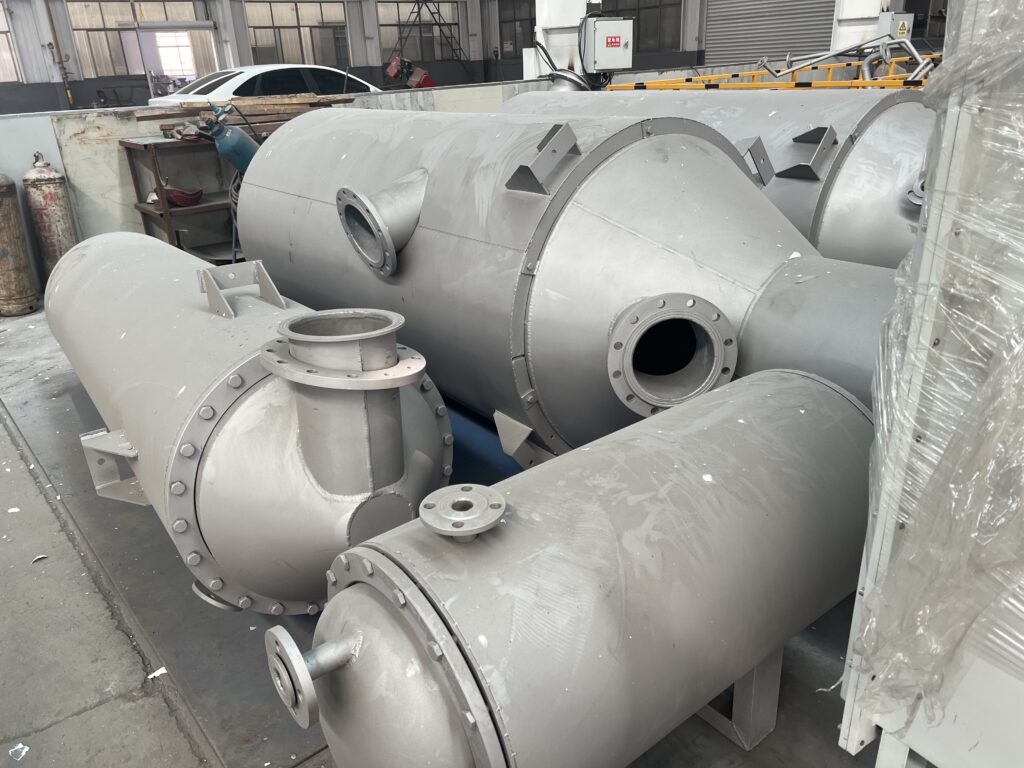
A cryogenic evaporator integrates four core technologies:
- Deep Vacuum System: Boiling point drops with pressure, allowing evaporation at near‑ambient temperatures.
- Chilled Condenser: Often cooled by glycol or brine, it captures vapor without reheating product.
- Thin Film Distribution: Liquids flow as a uniform film over cooled plates or tubes for efficient heat transfer.
- Precision Controls: Automated PID loops regulate vacuum, feed rate, and cooling to maintain stable conditions.
Together, these features achieve gentle water removal without torching precious flavor compounds.
3. Benefits for Beverage Manufacturers
- Flavor Integrity: Sensory panels report up to 95% retention of original aroma profiles versus 70% with conventional evaporators.
- Color Preservation: Low‑temperature operation prevents browning, maintaining a bright hue that consumers recognize.
- Nutrient Conservation: Vitamin C and polyphenols remain largely intact, supporting clean‑label claims.
- Energy Efficiency: Cryogenic systems recapture cold energy in multi‑effect loops, lowering overall utility costs.
These advantages translate into premium products that command higher shelf prices and stronger brand loyalty.
4. Real‑World Application: Tropical Fruit Blends
A leading juice co‑packer in Southeast Asia installed a cryogenic evaporator to handle mango–pineapple blends. By reducing evaporation temperature from 75 °C to 25 °C:
- Aroma retention improved by 30%
- Color index rose by 0.5 units on the Lovibond scale
- Product yield increased 5% due to less thermal loss
The result: a concentrate indistinguishable from fresh juice in blind taste tests.
Conclusion
For beverage producers committed to delivering authentic, flavorful concentrates, a cryogenic evaporator offers a cutting‑edge solution. By harnessing low‑temperature evaporation, you safeguard delicate juice characteristics, optimize energy use, and elevate your brand’s reputation for quality.