
In modern industrial production, efficiency and product stability are no longer optional—they’re critical for staying competitive. Whether it’s pharmaceuticals, chemicals, or food processing, manufacturers are constantly under pressure to improve output while maintaining consistent product quality.
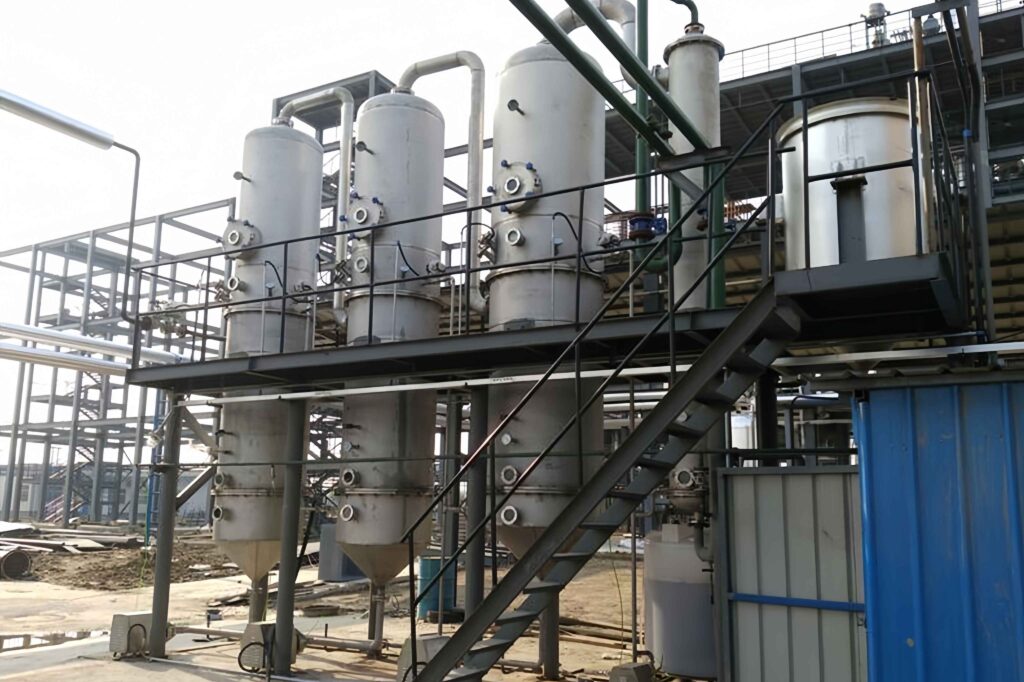
That’s where Mechanical Vapor Recompression (MVR) evaporation technology steps in. By reusing vapor energy and maintaining precise process control, MVR evaporators are helping industries around the world achieve cleaner, faster, and more stable production results.
The Challenge: Balancing Efficiency and Stability
In many traditional evaporation systems, higher production rates often come at the cost of stability. When the process relies heavily on external steam or inconsistent heat sources, even small fluctuations can affect the concentration level or product composition.
This is particularly problematic for heat-sensitive materials such as pharmaceutical extracts, enzymes, or food-based solutions. Temperature variations can lead to degradation, color changes, or unwanted reactions—all of which affect product stability and shelf life.
How MVR Evaporation Improves Efficiency
At its core, the MVR evaporator captures the vapor produced during the evaporation process, compresses it, and reuses it as the main heat source. Instead of wasting energy, the system recycles heat to continue evaporation efficiently.
Here’s what that means in practice:
- Massive energy savings: Up to 90% less steam and 70% less power compared to traditional multi-effect systems.
- Faster evaporation rates: Continuous vapor recycling means a stable heat supply, allowing higher throughput without overloading the system.
- Lower operational costs: With minimal external steam and reduced cooling water demand, plants save both money and resources over time.
Ensuring Product Stability with Gentle Processing
One of the standout advantages of MVR evaporation is its ability to maintain low-temperature operation. Because it operates under vacuum conditions, boiling points drop significantly. This gentle environment prevents thermal damage to sensitive ingredients, ensuring the product’s physical and chemical properties remain intact.
For industries like pharmaceuticals and food processing, where consistency defines quality, this is a game changer. MVR systems allow operators to maintain identical conditions across multiple batches, ensuring product stability from the first liter to the last.
Automation and Process Control
Another important reason MVR systems enhance production efficiency is automation. With advanced PLC (Programmable Logic Controller) systems, operators can monitor and adjust:
- Temperature and pressure
- Concentration levels
- Feed and discharge rates
Real-time feedback ensures the entire process remains within set parameters. That means fewer human errors, higher repeatability, and less downtime due to manual intervention.
A Case in Point
A chemical manufacturer producing high-purity solvents replaced its conventional triple-effect evaporator with an MVR system. The results were immediate:
- Production capacity increased by 35%.
- Energy consumption dropped by nearly 80%.
- Product stability improved, with a 20% reduction in rejected batches.
These measurable gains highlight why MVR evaporation has become an essential part of modern process optimization strategies.
The Bigger Picture: Sustainable Productivity
Efficiency isn’t just about economics anymore—it’s also about environmental responsibility. MVR technology supports sustainable production by minimizing waste heat, reducing water usage, and cutting CO₂ emissions.
As industries evolve, the demand for energy-efficient and stable production systems continues to rise. MVR evaporation provides a perfect blend of both—offering unparalleled control, consistency, and cost savings.