
In the world of starch processing—where corn, wheat, or cassava turns into high-quality glucose syrup—the evaporation step is absolutely pivotal. An effective evaporator isn’t just removing water; it shapes the syrup’s clarity, consistency, and overall quality.
1. Why Evaporation Is the Make-or-Break Step
Once enzymatic hydrolysis and clarification are done, glucose syrup still holds a high water content. Evaporation concentrates this syrup to around 70–85% solids under vacuum, improving both product stability and shelf life. If you overheat or slow it down, you risk darkening the syrup or developing off-flavors.
2. Why Multi‑Effect and Falling Film Evaporators Are Trending
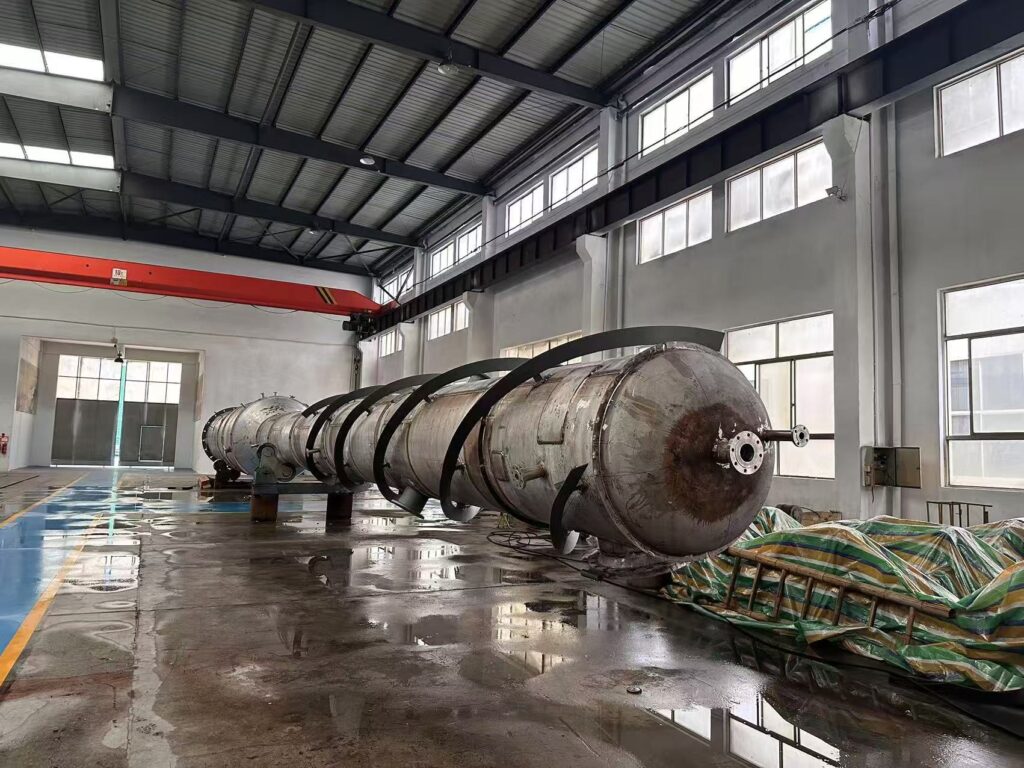
Modern starch processors favor multi‑effect evaporators, especially when paired with thin-film or falling-film designs:
- Steam recycling: Vapor from one effect heats the next, significantly cutting fuel use.
- Ultrathin film flow: Syrup forms a whisper-thin layer on the tube walls—this enables fast heat transfer and avoids long residence times, which minimizes browning and crystallization.
- Lower temperature process: Vacuum and staged heating help maintain product integrity by avoiding hot spots.
Typical setups use three to five stages, depending on scale and desired purity.
3. Elevating Syrup Quality Through Smarter Evaporation
Gentle, controlled evaporation means syrup with consistent color and viscosity—ideal for further refining or crystallization. It also benefits enzymatic processes downstream, like fructose conversion, because the input syrup has uniform solids and fewer impurities. Less fouling and foaming also means fewer hiccups on the production line.
4. Modern Touch: Smart Controls Make a Difference
Next-gen evaporator systems integrate inline refractometers and tight vacuum/temperature control, allowing operators to lock in Brix levels and flow rates precisely. The result? Less waste, fewer manual adjustments, and a smoother, more predictable process.
Wrapping Up
If you’re in the starch syrup business, adopting the right evaporation system—particularly a multi‑effect falling film evaporator—can transform your production. You get higher concentration, cleaner syrup, and better energy efficiency, all while keeping operational costs in check.